Car rental for work and moving
The fridge doesn't fit in the car, the order has to leave today or your vehicle stayed in the garage. In these moments, the rental of vehicles is not a theoretical choice. It is the quick way to continue your work, move or transfer without changing your entire schedule.
The point is not simply to find a vehicle available. You need to find the right size, for the right duration, with clean terms and support when you need it. From a van for a few hours to a fridge-van for daily deliveries, the right choice keeps your cost controlled and transport organized.
What the rental of vehicles covers
The lease can serve an emergency, but also become a fixed tool for a business. For a private individual, it can mean one van for moving, transfer of furniture or receipt of large purchases. For a professional, it may be the solution for distribution, technical work, transportation of equipment or temporary replacement of a vehicle.
The duration changes depending on the need. The short term lease works when you need a vehicle from an hour to a few days, weeks or months. It is practical when the work volume rises temporarily, when a move occurs or when your professional vehicle cannot move.
Long-term lease is more suited to businesses that want stable access to a vehicle over the year, without committing capital to purchase. It's not always the right solution for an occasional user. But when transport is frequent and predictable, it helps to better plan the fleet and the costs.
Choose a vehicle based on the work you have ahead
The biggest mistake is to choose a vehicle only because it looks larger or because it is available first. A very small van can force you to make two routes. A larger than you need can unnecessarily increase costs and make traffic on narrow roads difficult or finding a parking spot.
For moving and bulky objects
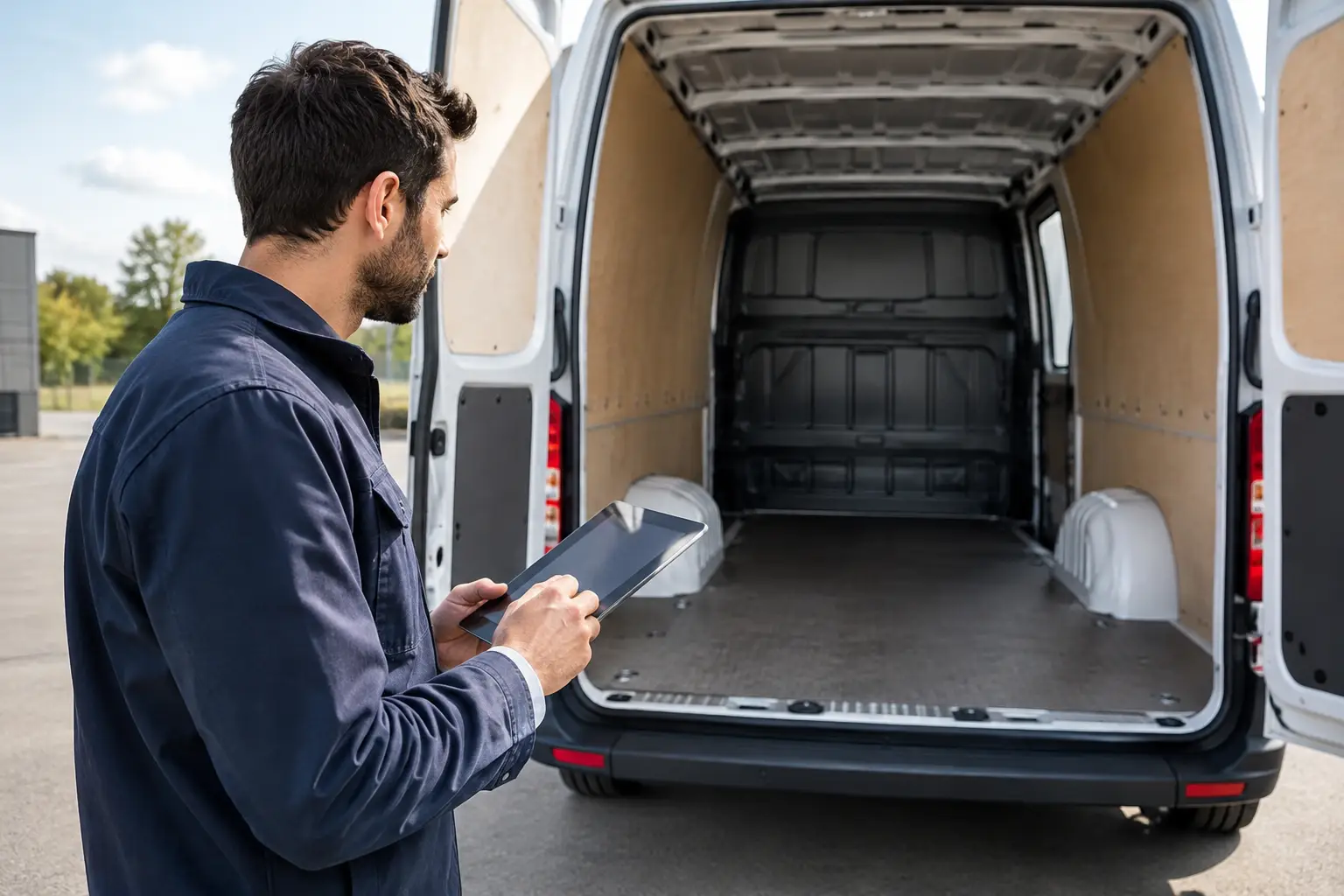
Consider first what you will carry. Another van needs a studio with boxes and small appliances and another transfer with furniture, mattresses or professional equipment. Measure the larger items, check the access to the building and consider whether you will take one route or more.
A closed van better protects the load from weather conditions and looks. For items that want careful loading, make sure you have straps, protective blankets and assistance in receiving. The vehicle solves the issue of capacity, but proper preparation saves damage and time.
For distribution, technical work and trade
If you carry tools, spare parts or merchandise, the priority is easy access to cargo and functionality in everyday use. Consider how many places you will visit, how many stops you will make and if you need to move constantly into the city. Fuel economy and dimensions play a major role when the vehicle writes many kilometers each day.
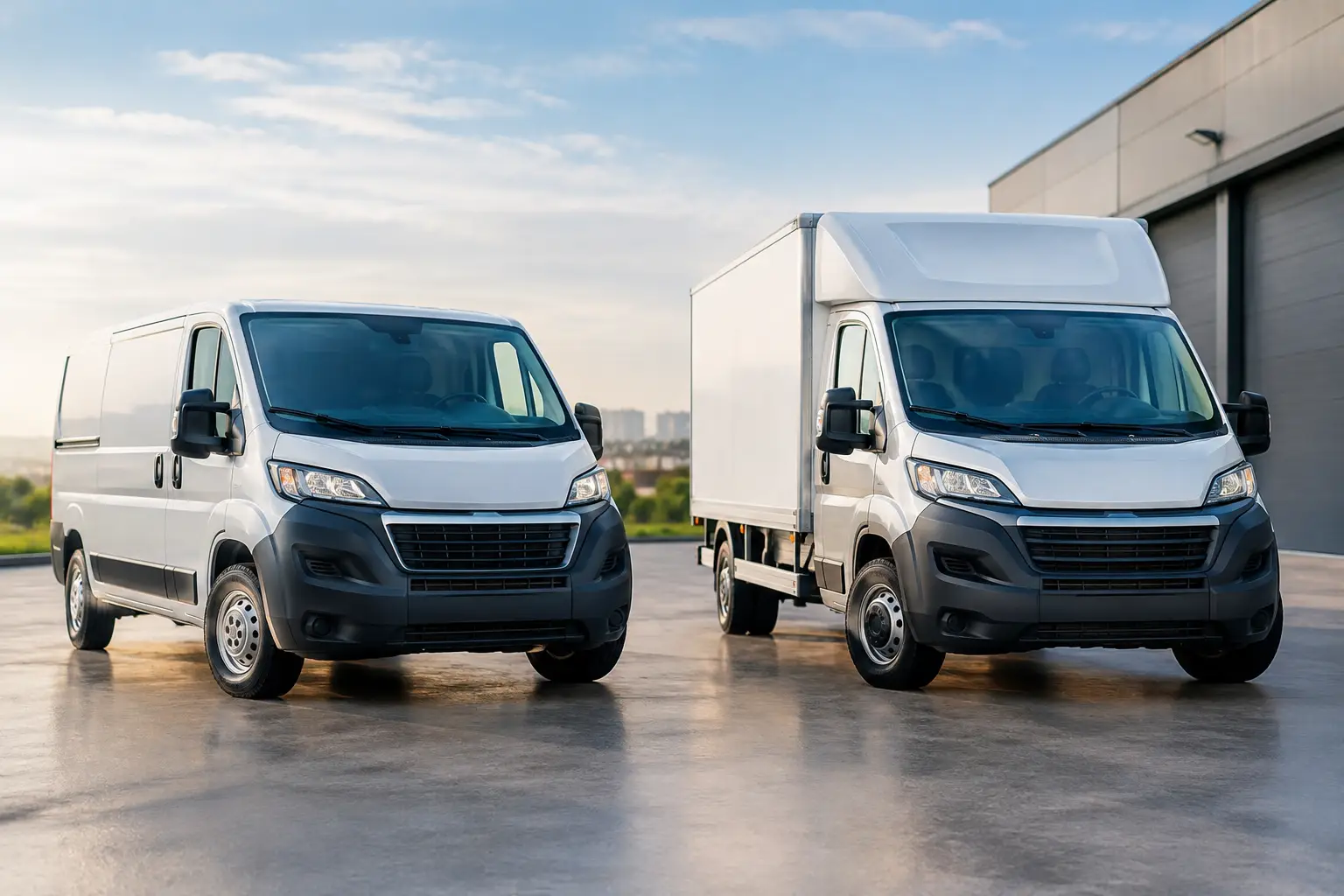
For products requiring controlled temperature, such as food, sweets, meat or sensitive materials, the refrigerator-van is necessary. Do not treat cooling as an additional convenience. It is a key part of the delivery process and protection of your product.
For passengers and special transport
Not all transports need cargo space. A mini bus can serve a group of workers, an excursion or guest transfer. A rural is useful when moving and equipment are combined, while a premium SUV can cover professional travel where comfort and image have greater gravity.
The important thing is to describe the use as it will actually be done. So the vehicle proposal becomes more correct and you do not pay for opportunities you will not make use of.
Renting of vehicles by simple procedure
When there is pressure on time, the process must be clear. Choose first the pick-up point and the dates or hours you need. Then select a category of vehicle based on load or passengers, not only based on the price of the day.
The online booking and payment help to organize the lease quickly, especially when you already know what you need. But if transport has specificities – for example a specific temperature, a long duration, repeated distributions or corporate pricing – personal communication can lead to a more appropriate solution.
Vstar serves with this logic individuals and professionals: from short rental van to organized fleet coverage, with vehicles driven by a simple amateur diploma in the respective categories. The ability to deliver and receive at your premises, upon request, is particularly useful when you have no time to move to the service point.
Don't just look at the original price
The lowest price is not always the most economical option. Before closing, see what the lease includes, what is the duration, how any additional days or hours are calculated and what the conditions for the guarantee are. If you are a professional, ask the authority about the document you need so that the costs are properly registered.
Consider also the real cost of a wrong choice. A small vehicle that requires a second route costs time, fuel and work hours. Similarly, a very large category for a few cartons may have no functional benefit. The best decision is the one that covers the job safely and without unnecessary charges.
Before receiving the vehicle
Just a few minutes before you start making the process easier to return. Confirm the details of the reservation, record with the person responsible any damage and ask what is not clear about fuel, refund or liability.
You also need to carry with you the necessary documents and check whether the driver covers the age and other criteria of the lease. For safe loading and driving, remember:
- Spread the weight low and evenly as possible.
- Fix the load so that it does not move to the turns or braking.
- Calculate the height and length of the van before entering narrows, ramps or parking.
- Save time to return, especially if you have to fill fuel or clean the loading area.
When the vehicle is part of daily operation
For a small business, an off-road vehicle can delay deliveries, leave a garage without tools and push customer service. The temporary lease then acts as a direct replacement. For more stable needs, fleet management and long-term solution reduce the uncertainty brought about by the market, maintenance and immobility of a vehicle.
The correct duration depends on how often you use the vehicle and how predictable your request is. A professional with seasonal peaks may need a few weeks’ flexibility. A business with a daily distribution network probably needs a more stable plan. There is no solution for everyone – there is the solution that fits your own workflow.
Frequently asked questions
Do I need a professional license for a van?
For many categories of vans and light trucks the simple amateur diploma is sufficient. Before booking, always confirm the vehicle category and the conditions of the driver.
Can I rent a vehicle just for a few hours?
Yes, hourly rental is useful when you want to complete a transfer or pickup within the same day, without being committed for more time than you need.
What if there's trouble on the street?
Ask before clear information on road assistance and the communication process. 24-hour support is crucial, especially for professional routes and transport that cannot wait.
When you have calculated your load, time and route, the lease becomes a simple case. Choose a vehicle that does the job properly and keeps your day moving.