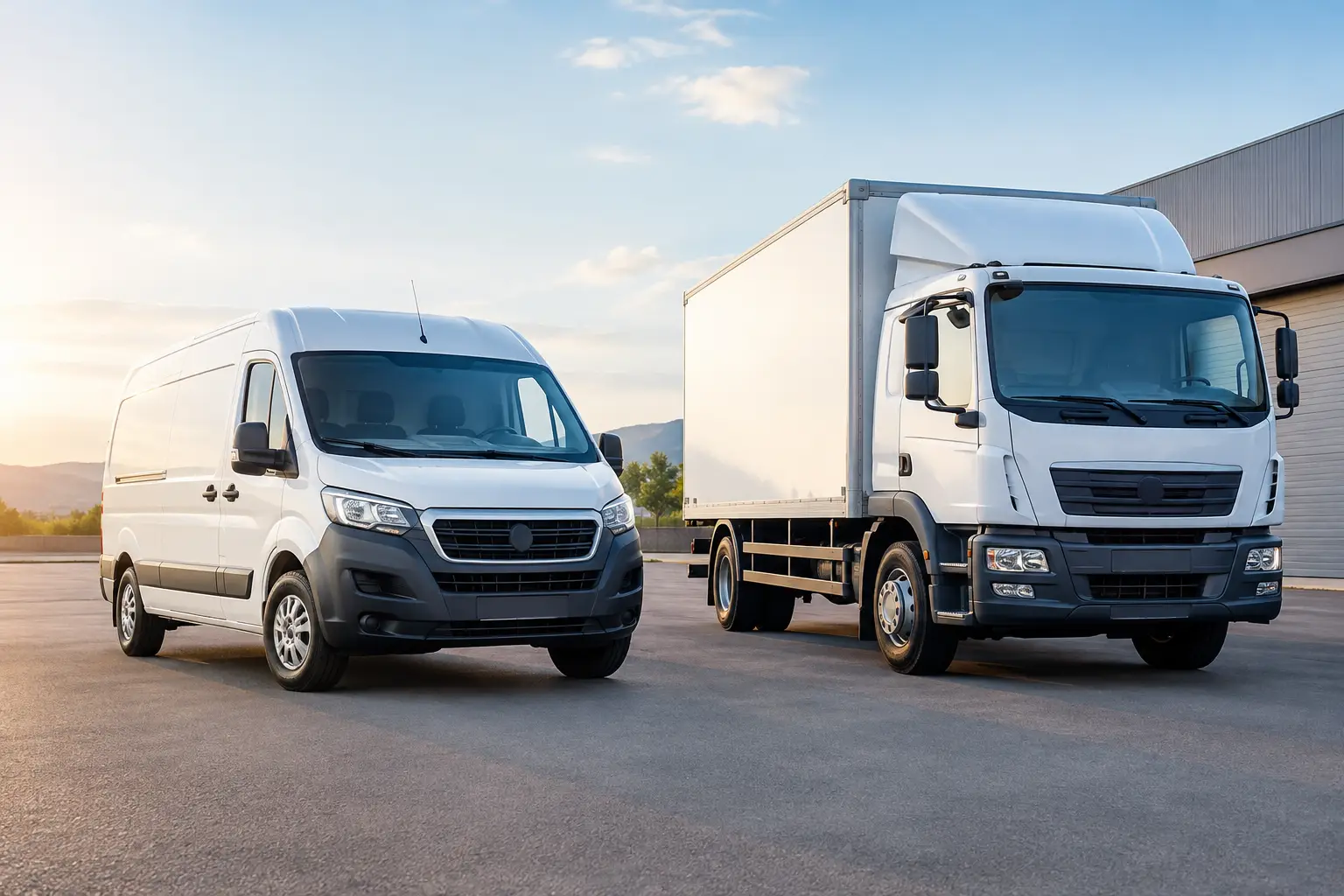
Short-term or annual car rental?
A van you need tomorrow for moving does not require the same solution as a refrigerator-van that delivers every day. The choice between short term or annual rental of a vehicle It's not just a matter of honor. It is a matter of how often you move, how stable your needs are and how much you want to commit.
For a private individual, the answer can be simple: a few hours or a few days is enough to carry furniture, equipment or large markets. For a professional, however, a vehicle that is daily on the road affects the traditions, schedule of staff and the image of the business. See what changes in practice before you book a vehicle.
Short-term or annual rental of a vehicle: the basic difference
The short-term lease covers a need with a clear beginning and end. It can be from an hour for an immediate transfer to days, weeks or months when your vehicle is in the workshop, when orders are temporarily increased or when you want to try a category before deciding for more stable use.
The annual lease fits when the vehicle is not «emergency solution»But part of your daily operation. A workshop carrying tools, a store that makes frequent deliveries or a professional who needs a passenger vehicle for a date have a more predictable need. There, a longer-term agreement offers continuity and better programming.
There is no right answer for everyone. If your work has seasonality, an annual commitment can limit you to the quiet months. If, on the contrary, you rent a van every week, consecutive short-term reservations may cost you more in time, organization and daily decisions.
When is short-term rental good?
Choose short term rental when you know that your need is temporary or when you do not want to commit capital and program for a long time. It's the practical choice for moving, for the transport of goods on a specific date, for an event or for the replacement of a vehicle after a failure or accident.
For a small business, this flexibility can make a big difference. A flower shop may need extra vans only in the holidays. A technical crew may need a bigger vehicle for just one off-site project. A catering business may want a fridge-van for a period of increased orders, without maintaining such a vehicle all year round.
The short term solution also allows you to choose exactly the category you need each time. Another vehicle needs to carry a sofa, another is delivery of parcels to the city centre, and another is safe transport of products requiring cooling. You do not pay for space, equipment or features you will not use.
The point that needs attention is availability. If you are aware that you will need a vehicle in an increased demand period, close in time. Also confirm the hours of receipt and return, the kilometers included and the coverage you need. A quick reservation is useful only when the terms fit your actual route.
When is the annual lease worth?
The annual lease is for needs repeated at a steady rate. If a driver uses the vehicle almost every working day, if the routes are scheduled and if the business is based on it to serve customers, the longer duration gives predictability.
The main benefit is not only the monthly cost. It is that you know which vehicle you have at your disposal, organize the costs more clearly and avoid the new booking process every little while. This particularly helps businesses who want to invoice operating costs, set fixed routes and have a vehicle ready for use without interruption.
Before choosing an annual duration, honestly calculate the use. How many days a month does the vehicle move? How many miles does it cover? Do you need a closed van, rural, passenger, mini bus or fridge-van? Will one person or more drive it? The answers change the category, the deal and the final cost.
If your need exceeds one year, then we are not just talking about an annual solution. You need to see long term lease or fleet management options, on terms that support the operation of your business for longer.
Do not compare only the daily or monthly amount
The lowest number is not always the most economical option. To compare correctly, put the overall use of the vehicle side by side and not just the booking price. See what the lease includes, what is the framework for kilometers, what applies to insurance and damage, and what support there is if there is a problem on the road.
Think about the cost of inactivity. If your van stays out of service for three days and deliveries stop, direct rental can protect revenues and customers. If you have permanently increased needs but continue looking for a vehicle at the last minute, you are wasting time that could go to work.
The right category is as important as the duration. A small van is more flexible in the city, but it may require more routes. A larger light truck carries more volume, but needs proper design for parking and access. With simple amateur diploma you can drive many practical categories of vehicles as long as you choose the one that covers your load and route.
The questions that clear the choice
My need is really stable?
If the vehicle is used almost every week, record for one or two months the days of use, the routes and the loading area you need. Do not rely only on a particularly loaded period. The real picture will show whether you need a stable solution or flexibility.
What if my business changes?
This is the main advantage of short-term lease. You can adapt the vehicle to the work in front of you. But if your business develops at a steady pace, an annual agreement can give you the opportunity to organize better people, routes and expenses.
How crucial is immediate support?
For someone who makes a move this weekend, easy pickup and clean procedure are of great value. For a distribution business, the 24 hours road assistance and the possibility of quick service can keep the program alive when unexpected occurs. Ask before how the support works, instead of finding out when you are already late.
Vstar covers needs from hourly rental up to one year, with options for van, light trucks, refrigerators-van, passenger, mini bus, agricultural and premium SUV. For longer periods, the discussion can go into long term lease and fleet management, so that the solution follows the way you work.
Start with your next route: what will you carry, for how long will you need a vehicle and what should not be delayed? With these three answers, the right lease duration becomes much clearer.