Van or truck? Which vehicle suits you
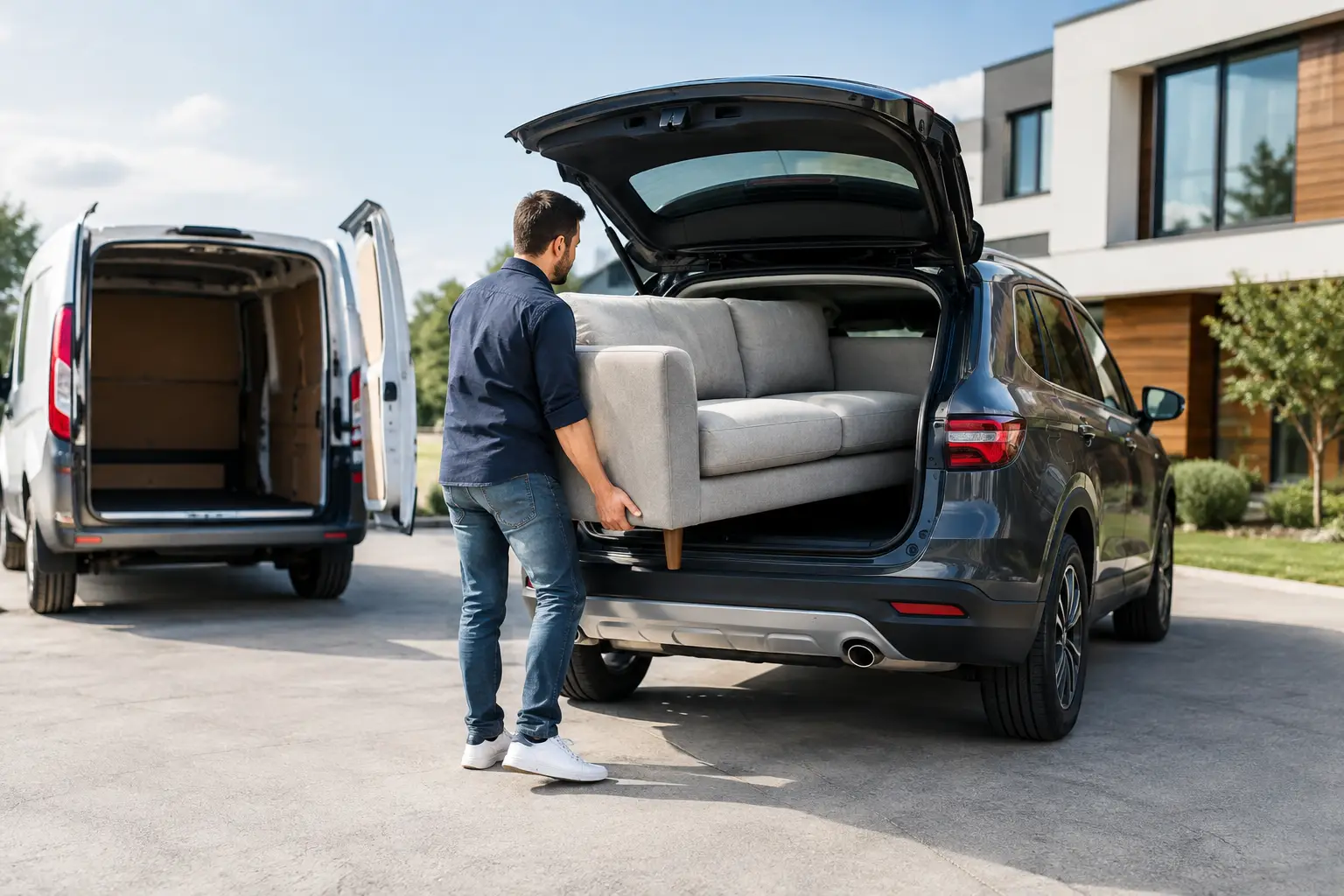
A large furniture that has to leave today, orders that do not fit into the passenger or a weekend move quickly bring the same question: van or truck?The correct answer is not only judged by how many things you have to carry. They measure the volume, weight, access to the destination, duration of the work and, of course, the diploma you have.
For many daily transports, a professional van or light truck is the most practical solution. It is driven with a simple amateur diploma, moves more easily in the city and gives you the space missing from a conventional car. Let's see how you choose without paying for more vehicle than you need – or find yourself with less space at the critical moment.
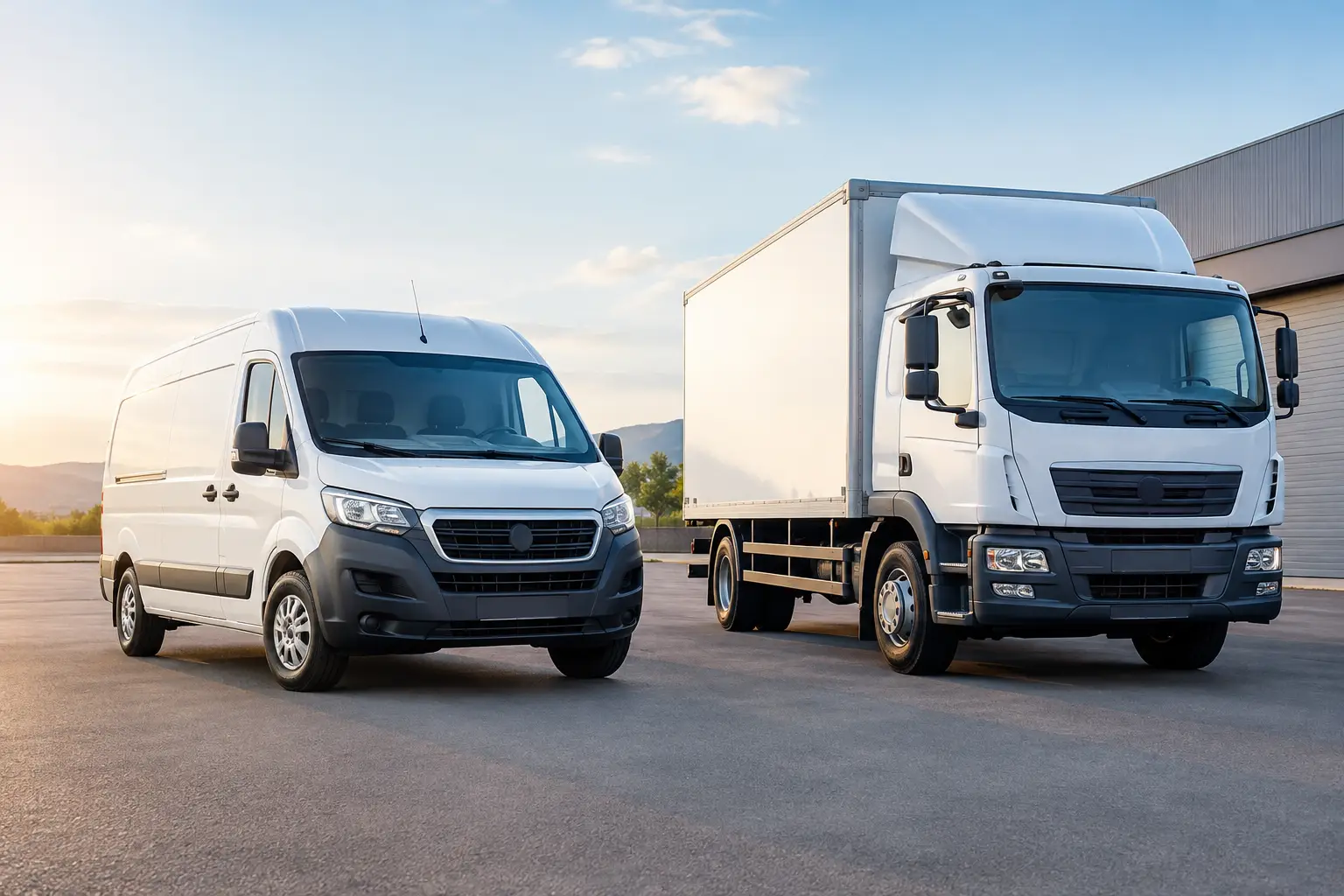
Van or truck: the basic difference
In practice, the term van covers vehicles with a closed loading area, usually with doors back and side. It is the familiar choice for boxes, furniture, tools, packages and goods that need protection from rain, dust or indiscriminate stares. The lowest loading position and easier driving on city roads make it particularly useful in moving and distributing.
Light truck usually offers greater loading capacity or more suitable configuration for heavy and bulky items. It can serve technical tasks, transportation of equipment, materials or goods that require more useful space. But it doesn't mean it's always the best solution. If the route includes narrow roads, frequent parking and many stops, a large vehicle can make you more difficult than it will help you.
So the selection starts with the load and ends in the real conditions of your day.
Start with what you want to carry
Before booking, do not calculate the space by eye only. Make a brief record of the objects and distinguish what is large, what is heavy and what cannot be stacked. A mattress, a refrigerator and a sofa quickly occupy a volume, even if they do not weigh as much professional equipment. In contrast, crates with tiles, tools or products may have a smaller volume but a significant weight.
For one small apartment moving, the transfer of purchases from store or parcel delivery, a middle van is often enough. It holds boxes and furniture, protects the cargo and remains manageable in the movement of Athens or Thessaloniki.
If you carry crew equipment, professional machinery, large materials or loads with increased weight, you need a vehicle with the right loading characteristics. In this case, do not choose only based on cubic space. Check the permitted payload, the dimensions of the cart or loading area and the way you will secure the items.
Volume and weight are not the same
This is where it creates most of the wrong choices. A van may seem empty internally, but it has already reached its permissible weight. The reverse occurs with light but massive objects such as packaging, foaming materials or furniture.
Ask to know both elements before deciding. So avoid a second route, delays and especially dangerous overload. A load moving in braking or exceeding the limits of the vehicle is not simply uncomfortable. He's a danger to you and the rest of the drivers.
When the van is the smartest choice
The van fits when flexibility is a priority. If you have to move to densely populated areas, deliver at different addresses, or park near apartment buildings and shops, its most packed dimensions make a difference.
It is also the right choice when you want closed and protected cargo. Electric tools, documents, goods, appliances and furniture travel better when not exposed to weather conditions. For distribution professionals, technicians and small businesses, the van operates as a mobile, organized workplace.
For individuals, it is a very practical solution for moving, renovating or transferring large markets. You don't have to have a professional capacity to make the most of it. With an amateur license and the right category option, you can complete a job that would otherwise require multiple routes with your car.
When you need a light truck
Light truck is more suitable when work requires greater load resistance or different load access. For example, a professional who often carries materials, heavy tools or project equipment needs space to serve loading and binding items without improvised solutions.
It can also be a better option for large moves, especially when there are a large number of furniture or items that are not dismantled. Nevertheless, consider access to both points. If pickup or delivery takes place on a narrow road, in a difficult parking area or in a basement with limited height, a smaller van may save time, even if it takes an extra route.
The best option is not always the biggest vehicle. It's the one that safely loads, easily reaches the destination and doesn't force you to change the entire transport plan.
Do not forget the route and duration
The same amount of things requires a different vehicle if it is to be transported from the city centre to a neighbouring area or if it has to travel to another county. For short transport of a few hours, convenience of receiving, consuming and fast loading are of particular importance. For multi-day use, calculate daily routes, parking spots and the time the vehicle will stay off the job.
If your vehicle is in the garage, rental van or light truck can keep your work in motion without engaging with a purchase. The same applies to seasonal needs, exceptional deliveries or a period of increased burden. Choose the duration you need, from a few hours to a longer period, and adjust the cost to the actual work volume.
The correct loading makes the vehicle safer
Any vehicle you choose, loading takes order. Put the heavier objects down and as close as possible to the center of the site. Fix objects that can slip and do not leave spaces that allow the load to move to the turns.
Protect furniture corners and sensitive surfaces with blankets or suitable packaging materials. Keep visibility from mirrors free and do not place loads that make opening doors difficult. If you carry products that need controlled temperature, the solution is not a simple closed van but one refrigerator-van with appropriate configuration.
What to ask before you book a vehicle
Before completing the reservation, give a clear picture of the work: what to carry, how many routes you calculate, where to move and how long you need the vehicle. Ask for loading space dimensions, payload, warranty procedure and what the lease covers. If you want an invoice for a business exit, make sure you ask the authority.
It is useful to know the pick-up options. When your program is pressed, the possibility of delivery and receipt to your premises after consultation can save you valuable time. Vstar offers categories for moving, distributing, technical work and transportation of products, along with 24-hour road assistance across Greece for greater safety on the route.
The choice between a van and a truck becomes simple when you start the job you want to finish. Count the load, consider the route and select the vehicle that allows you to leave immediately, load properly and arrive without unnecessary stops.