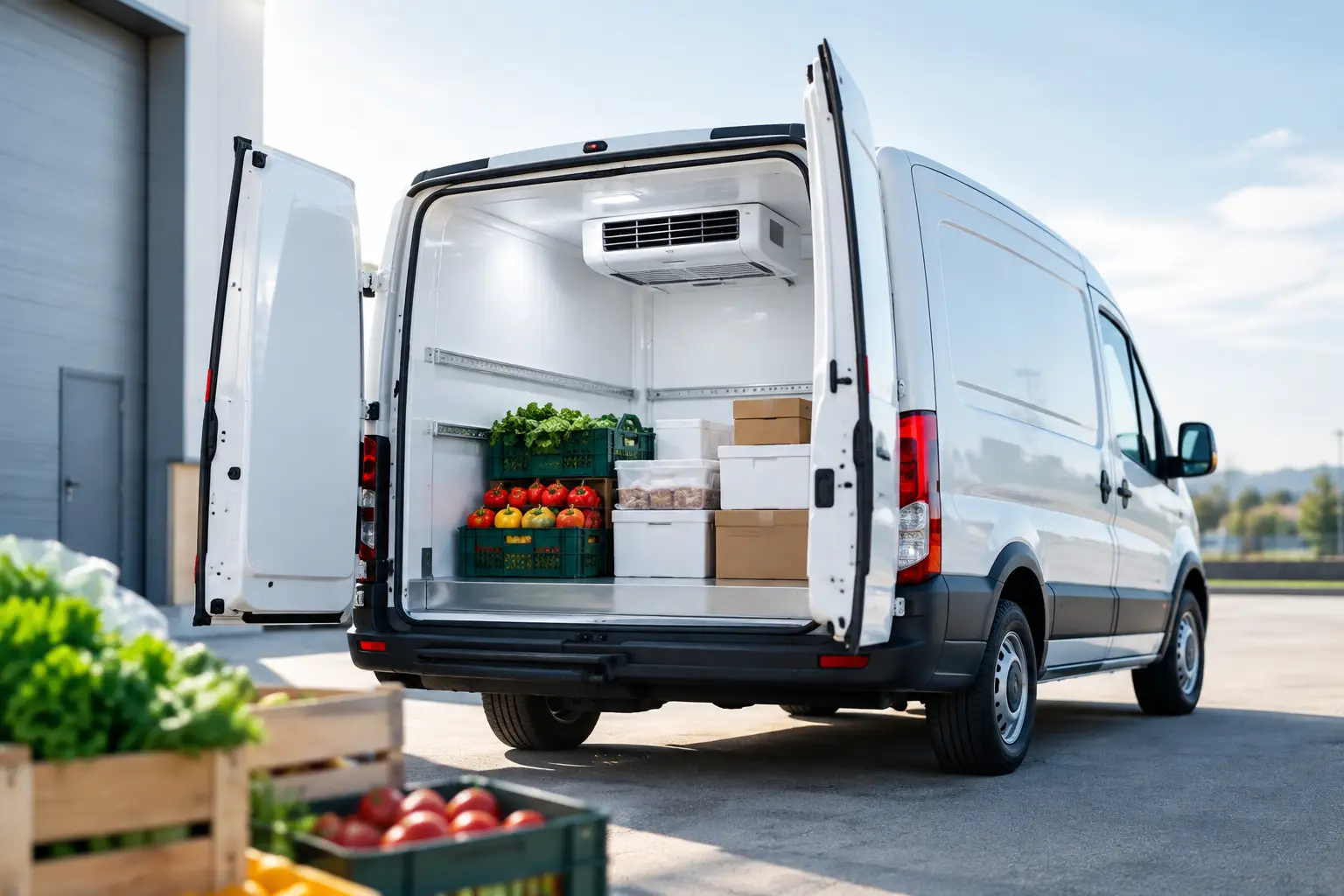
Cold transport guide with fridge-van
A box of dairy, ready meals or flowering products is not just a load that needs to arrive quickly. It must reach the right temperature. The driver of cold transport starts from this basic principle: cooling is not a detail of the route, but part of the quality of the product and the reliability of your business.
Whether you make daily deliveries to the city or need a vehicle for an emergency pickup, the appropriate refrigerator-van helps you protect the cargo, organize your time and avoid losses. The right choice, however, depends on the type of products, volume, duration of the route and delivery conditions.
Because cold transport needs proper planning.
Sensitive products do not all react in the same way to temperature. Fresh foods, frozen, medicines, flowers and certain cosmetics have different maintenance requirements. So it is not enough to have a cooling chamber. You need to know what temperature range your load requires and make sure that the vehicle can keep it stable from receipt to delivery.
The door that often opens to distributions, waiting at delivery point and traffic in the city affect cooling performance. For a few stops with small quantities of products, the need differs from a full route with many deliveries or from a transport lasting hours. This is why the vehicle selection must be done on the basis of your actual work schedule and not only on the basis of the cubics of the loading area.
Cool Transport Guide: how to choose fridge-van
The right refrigerator-van is not necessarily the largest available. It is the one that safely fits your load, keeps the temperature you need and moves comfortably on your routes. For a small catering business that distributes within Attica, a flexible van can be more practical than a large vehicle that has difficulty in narrow roads and parking spots.
Calculate space, not just volume
Count the crates, pallets or containers you normally carry. Leave space for safe installation, air traffic and easy access to orders delivered first. A load cornered up to the door can make it difficult for both unloading and proper cooling.
Think about the weight. The loading area may seem sufficient, but the payload of the vehicle must cover all products, packages and any equipment. If you have any doubt, seek guidance before booking, especially when it comes to fixed business distributions.
Confirm the temperature the load needs
Do not select temperature approximate. Check the maintenance instructions of the supplier or the procedures applied by your business. Cold and frozen are not transported under the same arrangements, while products which must not freeze need special attention.
If you carry different product categories, consider whether they may coexist in the same chamber and at common temperature. On several occasions the answer is no. A separate route, different packaging or vehicle with appropriate arrangement may be a safer option.
Pay attention to the path stops
A vehicle that will make a delivery within walking distance works differently than a van with ten stops. The frequent openings of the door increase the heat exchange. Organize the shipment in delivery order so that you do not search crates inside and keep the doors open more than necessary.
Preparation before loading
The right cool metaphor begins before the first crate enters the van. The loading area must be clean, smellless, moisture-free or residues from previous loads. Check that the cooling works and let the vehicle reach the desired temperature before starting loading.
Products must already be at the right temperature when received. The refrigerator-van keeps the transport condition, does not replace the quick cooling process of a product left outside the refrigerator. This distinction is crucial, especially in times of high temperatures.
Place the crates firmly and without blocking air traffic points. Use appropriate restraints where necessary, so that the load does not move to braking or turning. Good packaging protects both the product and the driver.
Temperature control on path
The indication of the cooling system is useful, but you need to have a simple and stable control process. Before you leave, record or confirm the setting. On larger or more demanding routes, check periodically that the temperature remains at the limit your load needs.
If you notice deviation, do not ignore it in the hope that it will be corrected on its own. Limit the doors openings, check that it has been properly closed and contact the rental company directly if there is a technical indication or malfunction. The quick reaction can protect the entire order.
The driver also plays an essential role. Smooth driving, proper parking and scheduled route reduce delays and vibrations. Where possible, avoid the long exposure of the vehicle to the sun and organize deliveries so that the most sensitive products arrive first.
Rent a refrigerator-van when you need it
Not every business needs to keep its own fridge-van all year round. Renting is a practical solution for seasonal needs, increased orders, events, exceptional vehicle replacements or testing a new distribution route. You choose the duration that suits you and avoid committing capital for a vehicle you may not use daily.
In Vstar you can search refrigerator-van for short or longer lease, with simple amateur diploma for the corresponding categories of vehicles. Before completing the reservation, confirm the hours of receipt, the duration of use, the space available and the conditions regarding warranty, insurance and return. If time is pressing, delivery or receipt at your place, after consultation, it may significantly reduce the day’s disruption.
The mistakes that cost the most
The most common error is the van selection only because it is available immediately. The availability is important, but should not outweigh the suitability for the load. It is equally common to load products without pre-cooling or to leave doors open at every stop more than necessary.
Mixing products with incompatible maintenance needs also creates a problem. Do not rely on the experience of a previous route when changing the load, external temperature or number of deliveries. Every transfer needs a quick check before it starts.
The cold transport is easier when you have a clean plan: right vehicle, right temperature, organized loading and direct support if something comes up on the road. Choose the van that fits your route and let the transfer work in favor of your business, not become another stress of the day.