Road assistance cover for each route
A flat tire while carrying merchandise, a battery that does not get in front of the house or an indication on the dashboard just before distribution is not just a delay. It can change your entire schedule. The road assistance coverage there is just for these moments: so you do not try to find your own solution, crane or crew when the vehicle cannot continue.
For a private person who is not a private person He's moving.Help means he doesn't live with half-loaded van on the road. For a professional, it can mean less lost time, better customer information and faster return to work. What is covered, however, is not always the same. That is why it is worth knowing what to control before receiving a rental vehicle.
What is road assistance coverage
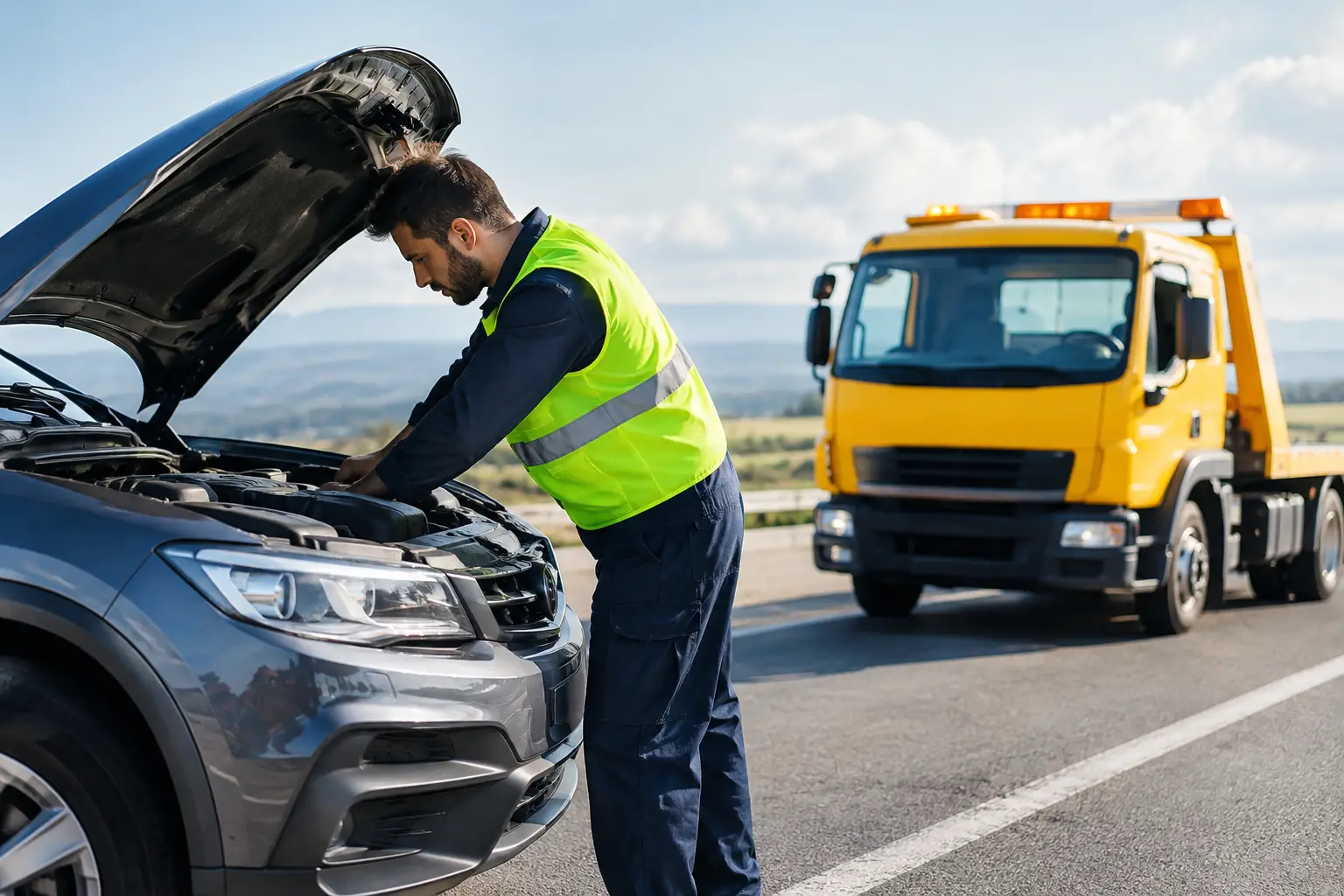
Road assistance is a support service when a vehicle is immobilized or unable to move safely. It usually starts by telephone communication, recording the sign and problem and then sending a technician or crane, depending on the incident.
It doesn't match vehicle insurance. Insurance concerns, inter alia, damage and liability by accident, while road assistance focuses on the immediate practical treatment of an immobilisation. In practice, the two benefits are complementary, but have different terms and procedures.
In a rental, the value of the service is particularly high. The driver does not always know the area, may have a load that must be delivered at a certain time or be in the middle of a move. The point is not only to carry the vehicle, but to provide clear guidance for the next step.
What incidents are usually covered
The exact coverage depends on the lease agreement and the terms of the company. Nevertheless, there are some cases often encountered in road assistance.
A mechanical or electrical failure that immobilizes the vehicle is the most typical case. The technician may attempt on-site rehabilitation if this is safe and feasible. If not, transport of the vehicle shall be organised to an appropriate location or workshop.
Accordingly, the battery that has been discharged, a tyre problem or the need for a wheel change can be tackled on the spot. The solution depends on the condition of the vehicle, the availability of a spare part and whether the damage allows safe continuation of the route.
In several cases assistance is also provided when the vehicle has been immobilised after an accident. There the correct series of actions is crucial: first you protect people and space, then inform the competent authorities where necessary and then call the support number given to you.
There are also incidents that are often treated in different terms, such as fuel shortage, key loss or vehicle misuse. Do not assume that each incident is automatically included. Read the terms before you start, especially if you are going to travel out of town or use van for demanding work.
What to do when you stay on the road
First take care of security. If you can, stop to the point where it does not prevent traffic, light the alarms and wear the phosphorescent vest before leaving the vehicle. Place the warning triangle only if conditions permit it and without being compromised.
Then call the road assistance or the rental company. Simply give your exact point, model or vehicle sign, what happened and if the vehicle carries cargo. A clear description, like «does not start after a stop» or «The front right tire exploded.», helps send appropriate support.
Do not attempt repair that you do not know and do not continue driving if there is evidence of serious damage, overheating or damage to rubber. A hasty move can increase wear and create a bigger problem than initial immobilization.
If it's an accident, keep photos of the site and the vehicles involved, if this is done safely. Do not accept responsibility on the spot and do not move the vehicle before receiving instructions, unless necessary for safety or requested by the authorities.
Road assistance in rental van and truck
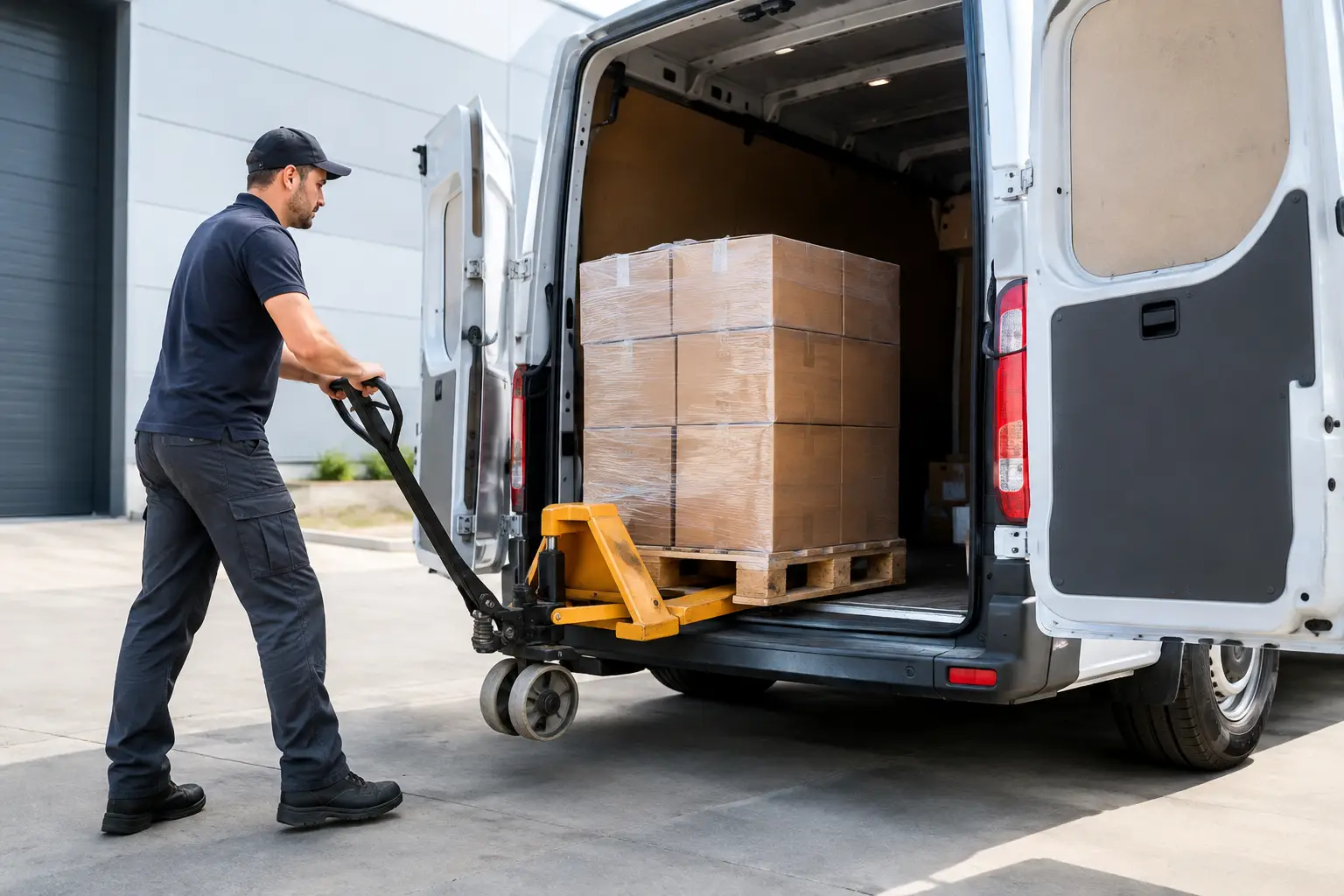
A passenger car and a loaded van do not have the same needs. In a professional vehicle, immobilization can affect deliveries, technical appointment, tool transfer or product cooling chain. Therefore, when choosing a vehicle, consider support based on your own work and not just on the daily price.
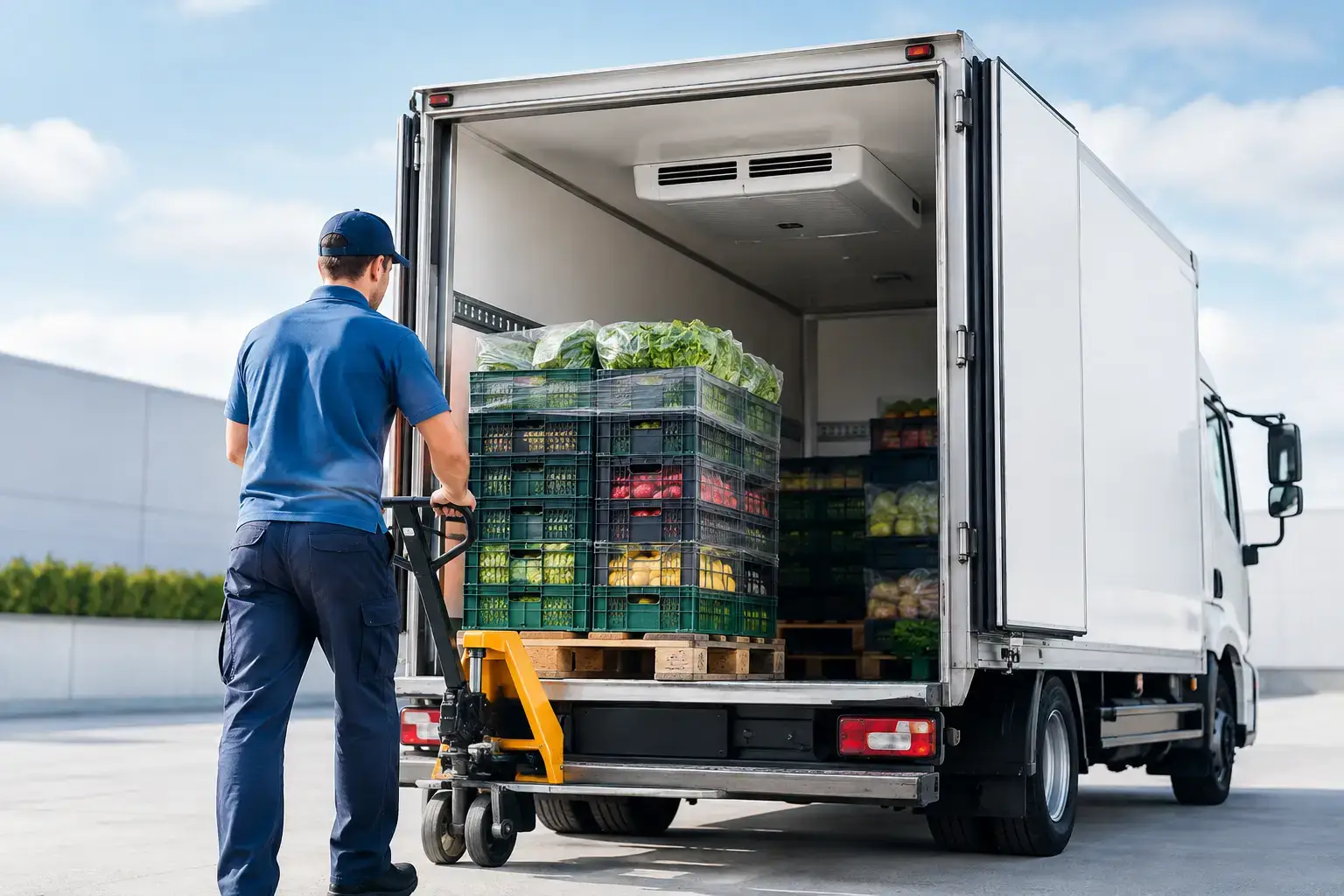
If you carry susceptible products in a refrigerator-van, ask what procedure is followed in case of immobilisation. If you are organizing a move, calculate a little extra time in the program, especially if you have received furniture or if you have to return the vehicle at a certain time. Good organization does not prevent any damage, but reduces pressure when something unexpected happens.
In Vstar, 24-hour road assistance across Greece is part of the logic of a rental that should keep you moving. Whether you need one van for a few hours either a vehicle for greater professional use, support is of value when available when you really need it.
What to check before receiving
Before leaving, ask to know which number you are calling in case of a malfunction and store it on your mobile phone. Confirm whether the assistance is provided 24/7, in which geographical areas it is valid and what is done if vehicle transport is required.
See with the person responsible the condition of the vehicle, tires, spare or repair kit and basic documents. If you rent a van, make sure you know its height and dimensions. Many damage does not come from mechanical damage, but from entering a low parking lot, narrow passage or inappropriate road.
Ask also what applies to vehicle replacement. It is not given that any immobilisation leads directly to replacement, as this depends on the nature of the incident, availability and lease terms. But it is useful to know in advance what procedure is being followed, especially when the vehicle is necessary for the operation of your business.
The correct cover starts before the route
Road help doesn't make a harm pleasant. But it makes it more organized, safer and less time consuming. Select a vehicle that really fits your load and route, keep the support information easily available and do not ignore a warning signal on the dashboard. So if the unexpected happens, you'll know exactly what the next step is.